840+ Wild Flowers Names: Beautiful, Girl, Cute, Alphabetical
Wildflowers are the unsung heroes of nature, adding vibrant colors and delicate beauty to landscapes around the world. These resilient plants thrive in diverse environments, showcasing a stunning array of colors, shapes, and scents that captivate the senses. From the lush meadows to rocky mountain slopes, wildflowers have adapted to their surroundings, making them a symbol of nature’s resilience and beauty.
Choosing the right name for a wildflower can enhance your appreciation for these stunning blooms. Whether you’re naming a garden flower, a character in your story, or creating educational materials, a thoughtful name can reflect the flower’s characteristics, habitat, or cultural significance. This article offers an extensive collection of wildflower names, perfect for every purpose and inspiration.
Why Wild Flowers Names Matter
Choosing the right name for wildflowers creates a connection that honors their unique beauty and characteristics. A well-chosen name reflects their vibrant colors, delicate forms, or their role in the ecosystem. For gardeners and nature enthusiasts, a name enhances the bond with the plant and deepens appreciation for their ecological importance. Thoughtful naming can also convey the cultural or symbolic significance of wildflowers, enriching our understanding and respect for these natural wonders.
wild flowers names
This section introduces a variety of wild flower names that are charming and versatile, perfect for any context.
- Bluebell – “Named for its bell-shaped flowers that create sweeping blue carpets in spring.”
- Buttercup – “A cheerful flower known for its bright yellow petals.”
- Daisy – “Symbolizes purity and innocence with its classic white petals and yellow center.”
- Lavender – “Known for its fragrant purple flowers and calming properties.”
- Wild Rose – “A beautiful representation of wild beauty and resilience.”
- Foxglove – “Named for its finger-like blossoms that attract pollinators.”
- Hollyhock – “Tall and stately, these flowers bring vertical interest to gardens.”
- Bellflower – “Delicate blooms that dangle like bells in various shades of blue and purple.”
- Chicory – “A hardy wildflower with bright blue blooms, often found along roadsides.”
- Snapdragon – “Known for its unique shape that resembles a dragon’s mouth.”
- Yarrow – “A versatile flower with medicinal properties and beautiful clusters of tiny blooms.”
- Pansy – “These cheerful flowers come in a variety of colors and patterns.”
- Wildflower – “A general term for all flowers that grow in the wild, showcasing nature’s diversity.”
- Petunia – “Beloved for their vibrant hues and abundant blooms throughout the season.”
- Sunflower – “Famous for their large, sunny faces that follow the sun.”
- Marigold – “Bright and cheerful, these flowers are known to deter pests in gardens.”
- Primrose – “One of the first flowers to bloom in spring, symbolizing renewal.”
- Violet – “A delicate flower known for its lovely fragrance and beautiful shades of purple.”
- Geranium – “A hardy flower that can thrive in various conditions, adding color to any garden.”
- Sweet Pea – “Noted for their delightful fragrance and charming blossoms.”
- Cosmos – “These flowers are known for their feathery foliage and vibrant, daisy-like blooms.”
- Black-eyed Susan – “Recognizable by their dark centers and bright yellow petals.”
- Blazing Star – “A tall flower with spiky blooms that attract butterflies and bees.”
- Heartsease – “A wild cousin of the pansy, often associated with love and affection.”
- Indian Paintbrush – “Named for its striking red and orange hues that resemble paintbrush strokes.”
- Queen Anne’s Lace – “A wildflower that resembles delicate lacework with its white flower clusters.”
- Goldenrod – “A bright yellow flower known for its importance in supporting pollinators.”
- Ragged Robin – “A charming flower with fringed petals that add whimsy to meadows.”
- Thistle – “A prickly flower known for its vibrant purple blooms and resilience.”
- Wild Mint – “A fragrant plant often found in damp areas, known for its aromatic leaves.”
- Spurge – “Recognizable by its unique flower structure and often found in wild habitats.”
- Snapdragon – “Named for the way its flowers snap open and closed when squeezed.”
- Wood Anemone – “A delicate flower that blooms early in spring, often found in woodlands.”
- Lady’s Slipper – “A unique orchid known for its slipper-shaped blooms.”
- Dogbane – “A hardy plant often found in meadows, known for its medicinal uses.”
- Columbine – “Known for its unique, spurred flowers and ability to attract hummingbirds.”
- Bloodroot – “A spring wildflower known for its striking white flowers and red roots.”
- Borage – “A wildflower with star-shaped blue flowers, often used in herbal remedies.”
- Wild Bergamot – “A fragrant plant known for its lavender blooms and culinary uses.”
- Common Bluebell – “A lovely flower that creates stunning blue carpets in springtime.”
- Wild Garlic – “Known for its pungent aroma and delicate white flowers, often found in woodlands.”
popular wild flowers names
This section highlights some of the most beloved wildflower names that are commonly recognized and cherished.
- Sunflower – “A favorite for its cheerful appearance and association with happiness.”
- Daisy – “A classic wildflower that symbolizes purity and innocence.”
- Bluebell – “Beloved for its enchanting blue hue and gentle bell shape.”
- Buttercup – “A symbol of childhood, known for its bright yellow blooms.”
- Red Clover – “A popular choice for its vibrant color and ability to enrich soil.”
- Wild Rose – “A fragrant flower celebrated for its beauty and romantic associations.”
- Hollyhock – “A tall flower that adds vertical interest and attracts pollinators.”
- Cosmos – “Known for its delicate petals and ability to bloom in various colors.”
- Snapdragon – “A favorite for its unique shape and ability to bring charm to gardens.”
- Pansy – “Beloved for its wide range of colors and patterns, making it a garden staple.”
- Primrose – “One of the first flowers to bloom in spring, symbolizing renewal.”
- Yarrow – “A hardy wildflower known for its medicinal properties and attractive blooms.”
- Lavender – “Famed for its calming fragrance and beautiful purple flowers.”
- Black-eyed Susan – “A bright, cheerful flower that attracts butterflies and bees.”
- Indian Paintbrush – “Known for its striking red and orange hues that brighten up landscapes.”
- Queen Anne’s Lace – “A wildflower with delicate lace-like blooms, often seen in meadows.”
- Blazing Star – “A tall flower with spiky blooms, loved by pollinators.”
- Wild Mint – “A fragrant wildflower that adds a refreshing scent to gardens.”
- Dogbane – “Recognized for its medicinal uses and attractive flowers.”
- Wood Anemone – “A delicate flower that blooms early in spring, often in woodland areas.”
- Wood Sorrel – “A charming flower known for its clover-like leaves and tart flavor.”
- Geranium – “A hardy flower that thrives in various conditions, adding color to gardens.”
- Globe Thistle – “Recognized for its round, spiky blooms that attract bees.”
- Chicory – “A wildflower known for its vibrant blue blooms and culinary uses.”
- Goldenrod – “A bright yellow flower known for its importance in supporting pollinators.”
- Sweet Pea – “Noted for their delightful fragrance and charming blossoms.”
- Wild Garlic – “A fragrant plant often found in woodlands, known for its culinary uses.”
- Columbine – “Known for its unique, spurred flowers that attract hummingbirds.”
- Bloodroot – “A spring wildflower known for its striking white flowers and red roots.”
- Common Bluebell – “A lovely flower that creates stunning blue carpets in springtime.”
- Ragged Robin – “A charming flower with fringed petals that add whimsy to meadows.”
- Lady’s Slipper – “A unique orchid known for its slipper-shaped blooms.”
- Wild Bergamot – “A fragrant plant known for its lavender blooms and culinary uses.”
- Thistle – “A prickly flower known for its vibrant purple blooms and resilience.”
- Wild Sweet William – “A fragrant flower with clusters of colorful blooms, often found in gardens.”
- Spurge – “Recognizable by its unique flower structure and often found in wild habitats.”
colorful wild flowers names
This section features wildflower names that are rich in color and vibrancy, showcasing the beauty of nature.
- Sunflower – “Bright yellow petals that turn towards the sun, symbolizing happiness.”
- Bluebell – “Delicate, bell-shaped flowers that create stunning blue carpets in spring.”
- Red Clover – “A vibrant pinkish-red flower that adds a pop of color to meadows.”
- Buttercup – “Golden yellow blooms that brighten up any landscape.”
- Purple Coneflower – “A striking purple flower that attracts butterflies and bees.”
- Wild Rose – “Pink and red blooms that exude beauty and fragrance in wild gardens.”
- Fireweed – “A tall flower with bright pink blossoms, often found in disturbed areas.”
- Wild Geranium – “A charming flower with delicate purple petals that flourish in forests.”
- Goldenrod – “A bright yellow wildflower that blooms in late summer, attracting pollinators.”
- Cosmos – “Known for their vibrant colors and daisy-like appearance, often seen in gardens.”
- Indian Paintbrush – “Colorful red and orange blooms resemble paintbrush strokes on nature’s canvas.”
- Violet – “Soft purple flowers that symbolize love and beauty.”
- Pink Lady’s Slipper – “A unique orchid with pale pink blooms that capture attention.”
- Ragged Robin – “Delicate pink flowers with fringed petals that dance in the wind.”
- Common Bluebell – “A lovely flower that creates stunning blue carpets in springtime.”
- Blazing Star – “A spiky flower with vibrant purple blooms that attract pollinators.”
- Wild Mint – “Fragrant green leaves and pale purple flowers that add color and scent to gardens.”
- Wood Anemone – “A delicate white flower that blooms early in spring, often found in woodlands.”
- Columbine – “Known for its unique, spurred flowers in various shades, including blue, pink, and yellow.”
- Sweet Pea – “Fragrant blossoms that come in a multitude of colors, bringing charm to gardens.”
- Snapdragon – “Colorful flowers that resemble the face of a dragon, delightful in any garden.”
- Wild Bergamot – “Lavender blooms that attract bees and add a splash of color to wild areas.”
- Hollyhock – “Tall flowers with blooms in shades of pink, red, and white, creating a striking effect.”
- Fire Pink – “Vivid red flowers that bloom in rocky areas, attracting hummingbirds.”
- Wild Sweet William – “Clusters of colorful blooms that are often fragrant and appealing to pollinators.”
- Pansy – “Known for their wide range of vibrant colors and patterns.”
- Thistle – “A prickly flower with vibrant purple blooms, often found in meadows.”
- Golden Poppy – “The state flower of California, known for its bright orange-yellow blooms.”
- Common Bluebell – “Known for its drooping blue flowers that create beautiful spring displays.”
- Willow Herb – “Known for its pink flowers and ability to thrive in disturbed areas.”
- Meadow Buttercup – “A bright yellow flower that adds cheer to meadows and fields.”
- Common Mallow – “A wildflower known for its pink blooms and ability to thrive in various conditions.”
- Yellow Wood Sorrel – “A cheerful flower with delicate yellow blooms and clover-like leaves.”
- Wild Phlox – “A vibrant flower that attracts butterflies and adds color to gardens.”
- Evening Primrose – “Known for its bright yellow flowers that bloom in the evening.”
rare wild flowers names
This section introduces some unique and rare wildflower names that may not be as commonly known.
- Ghost Orchid – “A rare and elusive orchid known for its striking beauty and ghostly appearance.”
- Corpse Flower – “Famous for its enormous size and foul odor, attracting pollinators.”
- Blue Ghost Plant – “Also known as Monotropa uniflora, this rare flower is ghostly white and thrives in shady forests.”
- Chocolate Lily – “A rare flower that emits a sweet scent reminiscent of chocolate when in bloom.”
- Rothrock’s Bluebell – “A rare variant of the bluebell found in specific regions of the Appalachian mountains.”
- California Pitcher Plant – “A rare carnivorous plant that thrives in wetland environments.”
- Shaggy Bark Hickory – “While not a flower, it produces flowers that are rare in urban settings and provide unique beauty.”
- Lady’s Slipper Orchid – “A unique orchid known for its slipper-shaped blooms, often found in shaded areas.”
- Monkey Face Orchid – “Known for its unique flower shape that resembles a monkey’s face.”
- Pink Lady’s Slipper – “A rare orchid with beautiful pink blooms, often found in woodlands.”
- Yellow Lady’s Slipper – “Another stunning orchid variety noted for its rarity and beauty.”
- Western Prairie Fringed Orchid – “A rare orchid native to the prairies, known for its delicate fringed petals.”
- Ghost Flower – “A rare flower with a stunning white appearance, often found in shaded areas.”
- Himalayan Blue Poppy – “A stunning flower known for its vibrant blue petals, native to the Himalayas.”
- Stinking Corpse Lily – “A rare flower that emits a strong odor, attracting specific pollinators.”
- Fairy Slipper – “A delicate orchid with unique blooms that appear in spring, often hidden in forests.”
- Sturt’s Desert Pea – “A rare flower known for its blood-red blooms and unique shape, found in Australia.”
- Snowdrop – “A delicate flower that blooms in late winter, often peeking through the snow.”
- Rare Blue Ghost Plant – “A rare variety of ghost plant known for its unique color and habitat.”
- White Trillium – “A rare flower known for its three-petaled blooms, often found in shaded woodlands.”
- Hoary Puccoon – “A rare wildflower with bright yellow blooms that attract pollinators.”
- Woodland Pinks – “A rare flower that thrives in woodland areas, known for its delicate blooms.”
- Sand Verbena – “A rare flower found in sandy areas, known for its resilience and beauty.”
- Oregon Grape – “A unique flower that produces blue berries and yellow blooms, often found in the Pacific Northwest.”
- Mountain Avens – “A rare flower that blooms in alpine regions, showcasing delicate beauty.”
- Giant Water Lily – “A rare aquatic flower known for its enormous leaves and stunning blooms.”
- Quillwort – “A rare aquatic plant that resembles a flower but is actually a type of fern.”
edible wild flowers names
This section showcases wildflowers that are not only beautiful but also edible.
- Chickweed – “A common edible flower often used in salads for its mild flavor.”
- Nasturtium – “Known for its peppery taste, these flowers add color and flavor to dishes.”
- Calendula – “Petals are edible and often used to add color to salads and dishes.”
- Hibiscus – “Used in teas and culinary dishes, known for its tart flavor.”
- Pansy – “Edible flowers that come in various colors, often used as decoration in salads.”
- Wild Garlic – “Leaves and flowers are edible, adding a garlic flavor to dishes.”
- Lavender – “Flowers are edible and often used in culinary dishes and teas.”
- Violet – “Both flowers and leaves are edible, with a sweet taste that enhances salads.”
- Rose Petals – “Many varieties of roses produce edible petals, often used in desserts.”
- Dandelion – “Flowers and leaves are edible and packed with nutrients, often used in salads.”
- Bee Balm – “The flowers can be used in teas and culinary dishes, known for their minty flavor.”
- Wild Bergamot – “Flowers are edible and often used to make herbal teas.”
- Fennel Flower – “The blooms of the fennel plant are edible and have a sweet flavor.”
- Wood Sorrel – “Edible flowers with a tangy flavor, often found in the wild.”
- Red Clover – “Flowers are edible and often used in herbal teas and salads.”
- Common Bluebell – “While not commonly consumed, these flowers are technically edible.”
- Sweet Pea – “Flowers can be used as a garnish, though the seeds are toxic.”
- Chive Flowers – “Edible flowers that add a mild onion flavor to dishes.”
- Honey Suckle – “The flowers are sweet and can be eaten raw or used in teas.”
- Italian Basil – “Flowers of the basil plant are edible and used in culinary applications.”
- Plantain – “Flowers are edible and nutritious, often used in salads.”
- Wild Mustard – “Flowers can be eaten raw or cooked, adding flavor to dishes.”
- Red Leaf Sorrel – “Flowers are edible and have a tangy, lemony flavor.”
- Yarrow – “Flowers are edible and often used in herbal remedies.”
- Blueberry Flowers – “Flowers of the blueberry plant are edible and attract pollinators.”
- Goldenrod – “Flowers can be used in teas and have medicinal properties.”
- Thyme Flowers – “Edible flowers that add flavor to culinary dishes and teas.”
- Wild Strawberry – “The flowers and berries are both edible and delicious.”
- Wild Mint – “Flowers and leaves can be used in drinks and dishes for flavor.”
- Daylily – “Known for its edible blooms, often used in salads and stir-fries.”
- Common Bluebell – “While primarily ornamental, these flowers are technically edible.”
medicinal wild flowers names
This section highlights wildflowers known for their medicinal properties and uses.
- Echinacea – “Known for its immune-boosting properties and commonly used in herbal remedies.”
- Chamomile – “Famous for its calming effects, often used in teas for relaxation.”
- St. John’s Wort – “Used for its antidepressant properties and often taken as a supplement.”
- Yarrow – “Known for its ability to stop bleeding and promote healing.”
- Purple Coneflower – “Often used in herbal medicine to enhance immune function.”
- Wild Bergamot – “Contains compounds that may reduce anxiety and improve digestion.”
- Calendula – “Used topically for its anti-inflammatory and wound-healing properties.”
- Passionflower – “Known for its calming effects and often used in herbal teas.”
- Ginger – “While primarily a root, the flowering plant is known for its medicinal properties.”
- Lavender – “Used for its calming scent and often employed in aromatherapy.”
- Hibiscus – “Known for its ability to lower blood pressure and rich antioxidant content.”
- Lady’s Mantle – “Traditionally used for women’s health issues and digestive support.”
- Milk Thistle – “Used for liver health and detoxification properties.”
- Feverfew – “Often used to prevent migraines and reduce inflammation.”
- Wild Lettuce – “Used as a natural sedative and pain reliever in herbal medicine.”
- Marshmallow Root – “Known for its soothing properties, often used for digestive support.”
- Goldenseal – “Used for its antibacterial properties and immune support.”
- Black Cohosh – “Traditionally used for menopausal symptoms and hormonal balance.”
- Comfrey – “Used topically for its healing properties and ability to reduce inflammation.”
- Red Clover – “Known for its potential as a blood purifier and hormone balancer.”
- Willow Bark – “A natural source of salicylic acid, used for pain relief.”
- Catnip – “Known for its calming effects and often used to aid sleep.”
- Goldenrod – “Traditionally used for urinary tract health and anti-inflammatory properties.”
- Skullcap – “Known for its calming effects and often used to reduce anxiety.”
- Soapwort – “Used historically for its soap-like properties for skin care.”
- Horehound – “Traditionally used as a cough remedy and digestive aid.”
- Sweet Annie – “Known for its antimalarial properties and used in traditional medicine.”
- Horse Chestnut – “Used to improve circulation and reduce swelling.”
- Ginger Flower – “While primarily a root, the flowering plant is known for its medicinal properties.”
- Wild Carrot – “Used for its medicinal properties, often to aid digestion.”
fragrant wild flowers names
This section features wildflowers that are known for their delightful fragrances.
- Lavender – “Known for its soothing scent, often used in aromatherapy and perfumes.”
- Jasmine – “Famed for its sweet and exotic fragrance, often used in perfumery.”
- Rose – “Symbol of love, renowned for its classic and captivating fragrance.”
- Honeysuckle – “Sweetly scented flowers that attract bees and hummingbirds.”
- Magnolia – “Known for its large, fragrant blooms that herald the arrival of spring.”
- Sweet Pea – “Delightfully fragrant flowers that are popular in gardens and bouquets.”
- Peony – “Known for its lush blooms and sweet scent, often used in arrangements.”
- Gardenia – “Famed for its creamy white flowers and intoxicating scent.”
- Wild Mint – “Fragrant leaves and flowers that add aroma to gardens and dishes.”
- Chives – “Not only edible but also produce lovely purple flowers with a mild onion scent.”
- Sweet Woodruff – “A fragrant flower often used in potpourri and herbal remedies.”
- Wild Thyme – “Known for its aromatic leaves and delightful flowers.”
- Marigold – “While primarily known for their bright colors, they also have a subtle scent.”
- Mint – “Well-known for its refreshing scent and flavor, often used in culinary applications.”
- Violet – “Delicate flowers with a sweet fragrance, often found in gardens.”
- Orange Blossom – “Famed for its sweet and floral scent, used in perfumes and aromatherapy.”
- Peach Blossom – “Known for its subtle fragrance, signaling the arrival of spring.”
- Wildflower Honey – “While not a flower, the fragrant honey produced by bees from wildflowers is renowned.”
- Freesia – “Known for its delightful fragrance and vibrant colors, often used in bouquets.”
- Mock Orange – “Famed for its sweet-smelling blossoms, reminiscent of orange blossoms.”
- Night-Blooming Jasmine – “Known for its intoxicating fragrance that fills the night air.”
- Clove Pink – “Famed for its spicy, sweet fragrance, often used in potpourri.”
- Sweet Alyssum – “Small white flowers that emit a sweet, honey-like fragrance.”
- Hyacinth – “Known for its strong, sweet scent and vibrant colors in spring.”
- Wild Rose – “Known for its beautiful flowers and sweet fragrance in the wild.”
- Catnip – “While primarily known for its effects on cats, it also has a delightful scent.”
- Wisteria – “Known for its cascading clusters of flowers and sweet scent in spring.”
- Sweet Annie – “Known for its sweet scent and used in various traditional remedies.”
- Honeysuckle – “With its sweet aroma and beautiful blossoms, it attracts pollinators.”
wildflower names by color
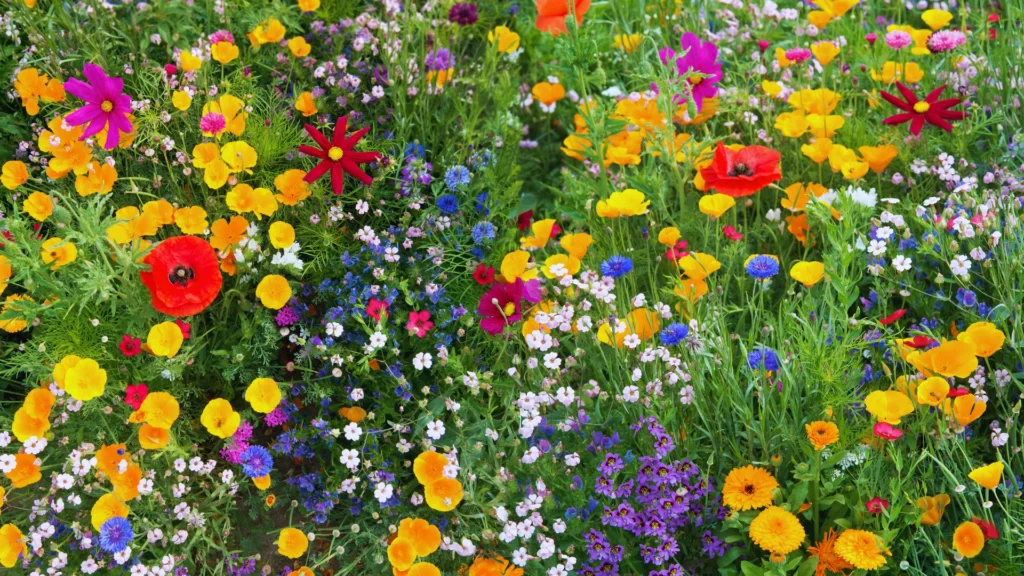
This section categorizes wildflower names based on their predominant colors, showcasing the diversity of hues in nature.
- Bluebell – “Delicate blue blooms that create stunning carpets in spring.”
- Goldenrod – “A bright yellow flower known for its resilience and ability to attract pollinators.”
- Red Clover – “A vibrant pinkish-red flower that adds color to meadows.”
- Buttercup – “Bright yellow blooms that are cheerful and easily recognizable.”
- Pansy – “Available in a variety of colors, known for their vibrant display.”
- Wild Rose – “Pink and red blooms that exude beauty and fragrance in wild gardens.”
- Purple Coneflower – “Known for its striking purple flower that attracts butterflies.”
- White Trillium – “A rare flower known for its three-petaled white blooms.”
- Pink Lady’s Slipper – “A unique orchid with beautiful pink blooms, often found in woodlands.”
- Fireweed – “A tall flower with bright pink blossoms, often found in disturbed areas.”
- Hollyhock – “Tall flowers available in shades of pink, red, and white, creating a striking effect.”
- Wild Mint – “Fragrant green leaves with pale purple flowers that add color and scent to gardens.”
- Cosmos – “Known for their delicate petals available in various colors including pink, white, and red.”
- Sweet Pea – “Delightfully fragrant flowers available in a multitude of colors.”
- Orange Blossom – “Famed for its sweet and floral scent, featuring delicate white flowers.”
- Night-Blooming Jasmine – “Known for its intoxicating fragrance that fills the night air with white blooms.”
- Common Bluebell – “Known for its drooping blue flowers that create beautiful spring displays.”
- Wild Sweet William – “Clusters of colorful blooms that are often fragrant and appealing to pollinators.”
- Meadow Buttercup – “A bright yellow flower that adds cheer to meadows and fields.”
- Delphinium – “Known for its tall spikes of vibrant blue and purple flowers.”
- Blazing Star – “A spiky flower with vibrant purple blooms that attract pollinators.”
- Verbena – “Known for its clusters of small flowers in shades of purple, pink, and white.”
- Wild Bergamot – “Fragrant purple blooms that attract bees and add color to wild areas.”
- Red Leaf Sorrel – “Flowers are edible and have a tangy, lemony flavor, often with red leaves.”
- Indian Paintbrush – “Colorful red and orange blooms resemble paintbrush strokes on nature’s canvas.”
- Yellow Wood Sorrel – “A cheerful flower with delicate yellow blooms and clover-like leaves.”
- Wild Phlox – “A vibrant flower that attracts butterflies and adds color to gardens.”
- Blueberry Flowers – “Flowers of the blueberry plant are edible and attract pollinators.”
- Wild Garlic – “A fragrant plant often found in woodlands, known for its culinary uses.”
- Evening Primrose – “Known for its bright yellow flowers that bloom in the evening.”
- Clove Pink – “Famed for its spicy, sweet fragrance, often used in potpourri.”
- Catnip – “While primarily known for its effects on cats, it also has a delightful scent.”
wildflower names by region
This section categorizes wildflower names based on their native regions, showcasing the diversity of flora around the world.
- California Poppy – “The state flower of California, known for its vibrant orange blooms.”
- Bluebonnet – “The state flower of Texas, celebrated for its striking blue flowers.”
- Wild Indigo – “A native flower found in the central United States, known for its blue spikes.”
- Prairie Smoke – “A native wildflower of North America, known for its unique flower structure.”
- Alaska Wildflower – “A general term for various flowers that thrive in Alaska’s unique environment.”
- Rocky Mountain Columbine – “A flower native to the Rocky Mountains, known for its stunning blue and yellow blooms.”
- Florida Sandhill Crane Flower – “A flower native to Florida’s wetlands, known for its delicate blooms.”
- Appalachian Bluet – “A small, delicate flower found in the Appalachian region.”
- Hawaiian Silversword – “A rare flower found only in Hawaii, known for its unique appearance.”
- Oregon Grape – “A unique flower that produces blue berries and yellow blooms, often found in the Pacific Northwest.”
- New England Aster – “A vibrant flower native to New England, known for its purple blooms in late summer.”
- Great Basin Wildflower – “A general term for various flowers found in the Great Basin region.”
- Sierra Nevada Wildflower – “A general term for various flowers that thrive in the Sierra Nevada mountains.”
- Midwestern Milkweed – “Native to the Midwest, known for its role in supporting monarch butterflies.”
- Southwestern Desert Flower – “A general term for various flowers found in the deserts of the Southwest.”
- Appalachian Trillium – “A rare flower found in the Appalachian region, known for its three-petaled blooms.”
- Alpine Daisy – “A hardy flower found in alpine regions, known for its resilience and beauty.”
- Great Lakes Wildflower – “A general term for various flowers native to the Great Lakes region.”
- Pacific Northwest Wildflower – “A general term for various flowers that thrive in the Pacific Northwest.”
- Texas Bluebell – “A flower native to Texas, known for its beautiful blue blooms.”
- Arizona Wildflower – “A general term for various flowers that thrive in Arizona’s desert environment.”
- Mid-Atlantic Wildflower – “A general term for various flowers native to the Mid-Atlantic region.”
- New York Wildflower – “A general term for various flowers native to New York State.”
- Hawaiian Lobelia – “A unique flower found only in Hawaii, known for its striking appearance.”
- Florida Wildflower – “A general term for various flowers that thrive in Florida’s warm climate.”
- Canadian Goldenrod – “A native flower known for its bright yellow blooms, often found in Canada.”
- Alaska Fireweed – “A beautiful flower that flourishes in Alaska’s unique environment.”
wildflower names for gardens
This section features wildflower names that are perfect for planting in gardens, enhancing beauty and biodiversity.
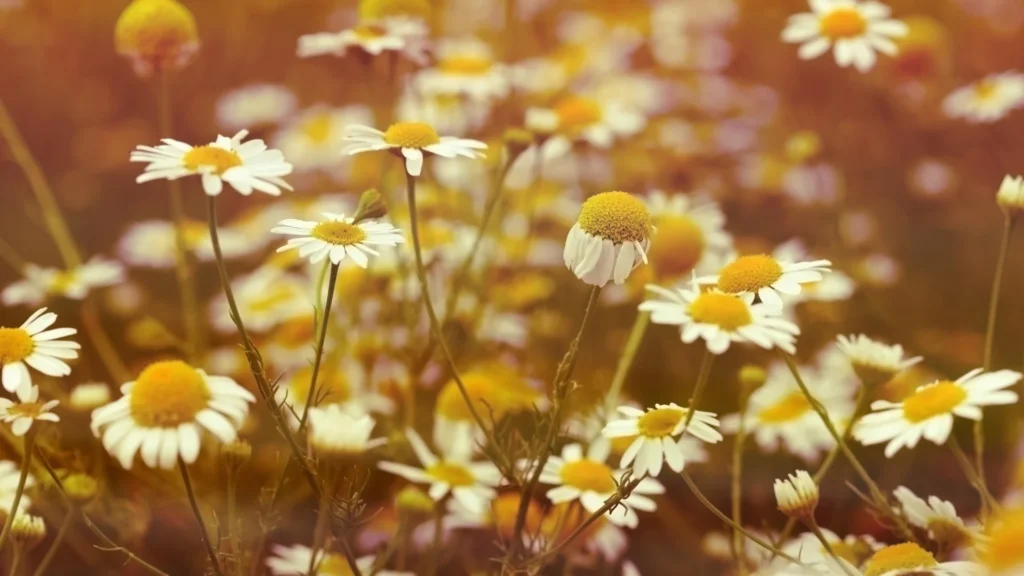
- Black-eyed Susan – “A cheerful flower that adds color and attracts pollinators to gardens.”
- Wild Bergamot – “Known for its fragrant purple blooms and ability to attract butterflies.”
- Coreopsis – “A hardy flower that blooms all summer, bringing bright yellow color to gardens.”
- Butterfly Weed – “A beautiful orange flower that attracts butterflies and other pollinators.”
- Sweet William – “Known for its vibrant colors and sweet fragrance, perfect for garden beds.”
- Wildflower Mix – “A blend of various wildflowers that creates a colorful and diverse garden.”
- Meadow Rue – “A lovely flower that adds texture to gardens with its delicate foliage.”
- Phlox – “Known for its vibrant blooms and ability to attract pollinators.”
- Wild Mint – “Fragrant leaves and flowers that add aroma and flavor to gardens.”
- Common Bluebell – “A lovely flower that creates stunning blue carpets in springtime gardens.”
- Goldenrod – “A bright yellow flower that blooms in late summer, attracting pollinators.”
- Wild Sweet William – “Clusters of colorful blooms that are often fragrant and appealing in gardens.”
- Wild Phlox – “A vibrant flower that attracts butterflies and adds color to gardens.”
- Cosmos – “Known for their delicate petals and ability to bloom in various colors in gardens.”
- Snapdragon – “A favorite for its unique shape and ability to bring charm to gardens.”
- Pansy – “Beloved for their wide range of colors and patterns, making them a garden staple.”
- Wild Rose – “A fragrant flower that adds beauty and allure to garden spaces.”
- Goldenseal – “Known for its medicinal properties, perfect for herbal gardens.”
- Yarrow – “A hardy flower that blooms all summer and attracts pollinators to gardens.”
- Hollyhock – “Tall flowers that create vertical interest and attract pollinators in gardens.”
- Violet – “Delicate flowers that add charm and fragrance to garden spaces.”
- Wild Garlic – “A fragrant plant often found in gardens, known for its culinary uses.”
- Meadow Buttercup – “A bright yellow flower that adds cheer to gardens and fields.”
- Wild Indigo – “A native flower that blooms in late spring, perfect for garden settings.”
- Wild Aster – “A lovely flower that blooms in late summer, attracting pollinators.”
- Bellflower – “Delicate blooms that dangle like bells, adding charm to gardens.”
- Foxglove – “A striking flower known for its tall spikes and ability to attract pollinators.”
- Wild Geranium – “A charming flower that flourishes in gardens with its delicate blooms.”
- Wildflower Mix – “A blend of various wildflowers that creates a colorful and diverse garden.”
common wildflower names
This section introduces some common wildflower names that are easily recognizable and often found in various regions.
- Buttercup – “A classic wildflower known for its bright yellow blooms.”
- Daisy – “Symbolizes purity and innocence with its classic white petals and yellow center.”
- Bluebell – “Delicate blooms that create stunning blue carpets in spring.”
- Pansy – “Beloved for their wide range of colors and patterns, making them a garden staple.”
- Wild Rose – “A beautiful representation of wild beauty and resilience.”
- Goldenrod – “A bright yellow flower known for its importance in supporting pollinators.”
- Snapdragon – “Known for its unique shape that resembles a dragon’s mouth.”
- Yarrow – “A versatile flower with medicinal properties and beautiful clusters of tiny blooms.”
- Lavender – “Known for its fragrant purple flowers and calming properties.”
- Marigold – “Bright and cheerful, these flowers are known to deter pests in gardens.”
- Primrose – “One of the first flowers to bloom in spring, symbolizing renewal.”
- Sweet Pea – “Noted for their delightful fragrance and charming blossoms.”
- Wild Mint – “A fragrant plant often found in damp areas, known for its aromatic leaves.”
- Foxglove – “Named for its finger-like blossoms that attract pollinators.”
- Wild Garlic – “Known for its pungent aroma and delicate white flowers, often found in woodlands.”
- Wood Anemone – “A delicate flower that blooms early in spring, often found in woodlands.”
- Hollyhock – “Tall and stately, these flowers bring vertical interest to gardens.”
- Lady’s Slipper – “A unique orchid known for its slipper-shaped blooms.”
- Chicory – “A hardy wildflower with bright blue blooms, often found along roadsides.”
- Common Bluebell – “Known for its drooping blue flowers that create beautiful spring displays.”
- Ragged Robin – “A charming flower with fringed petals that add whimsy to meadows.”
- Black-eyed Susan – “Recognizable by their dark centers and bright yellow petals.”
- Thistle – “A prickly flower known for its vibrant purple blooms and resilience.”
- Wild Garlic – “Known for its pungent aroma and delicate white flowers, often found in woodlands.”
- Wildflower – “A general term for all flowers that grow in the wild, showcasing nature’s diversity.”
- Dogbane – “A hardy plant often found in meadows, known for its medicinal uses.”
- Sweet Woodruff – “A fragrant flower often used in potpourri and herbal remedies.”
- Orange Blossom – “Famed for its sweet and floral scent, featuring delicate white flowers.”
beautiful wildflower names
This section showcases wildflower names that are not only beautiful but also evoke the essence of nature.
- Wild Rose – “A symbol of love and beauty, known for its delicate petals.”
- Bluebell – “Delicate blue blooms that create stunning carpets in spring.”
- Buttercup – “Bright and cheerful, these flowers symbolize childhood innocence.”
- Hollyhock – “Tall and stately, known for its vibrant colors and charming presence.”
- Sweet Pea – “Fragrant flowers that are beloved for their beauty and charm.”
- Lavender – “Known for its soothing scent and lovely purple blooms.”
- Pansy – “A flower with a face, celebrated for its wide range of colors.”
- Queen Anne’s Lace – “A delicate flower that resembles lace, adding elegance to gardens.”
- Indian Paintbrush – “Vibrant red and orange blooms resembling paintbrush strokes.”
- Fireweed – “A tall flower with bright pink blossoms that flourish in disturbed areas.”
- Wild Bergamot – “Known for its fragrant purple blooms and ability to attract bees.”
- Bellflower – “Delicate blooms that dangle like bells, adding charm to gardens.”
- Wild Mint – “Fragrant leaves and flowers that enhance the beauty of gardens.”
- Yarrow – “A hardy flower known for its clusters of tiny blooms and medicinal uses.”
- Goldenrod – “A bright yellow flower that blooms in late summer, adding color to meadows.”
- Wild Sweet William – “Clusters of colorful blooms that are often fragrant and appealing.”
- Geranium – “Known for its beautiful clusters of flowers that add charm to gardens.”
- Common Bluebell – “A lovely flower that creates stunning blue carpets in springtime gardens.”
- White Trillium – “A rare flower known for its three-petaled blooms, often found in woodlands.”
- Wood Anemone – “A delicate flower that blooms early in spring, often found in woodlands.”
- Wood Sorrel – “A charming flower known for its clover-like leaves and tart flavor.”
- Marsh Marigold – “A lovely yellow flower that blooms in wet areas, adding charm to gardens.”
- Violet – “Delicate flowers that add beauty and fragrance to garden spaces.”
- Wild Indigo – “A native flower that blooms in late spring, perfect for garden settings.”
- Meadow Buttercup – “A bright yellow flower that adds cheer to gardens and fields.”
- Freesia – “Known for its delightful fragrance and vibrant colors, often used in bouquets.”
- Wild Phlox – “A vibrant flower that attracts butterflies and adds color to gardens.”
- Thistle – “A prickly flower known for its vibrant purple blooms and resilience.”
unique wildflower names
This section features unique wildflower names that stand out for their distinctiveness and beauty.
- Ghost Orchid – “A rare and elusive flower known for its striking beauty and ghostly appearance.”
- Chocolate Lily – “A unique flower that emits a sweet scent reminiscent of chocolate when in bloom.”
- Monkey Face Orchid – “Known for its unique flower shape that resembles a monkey’s face.”
- Corpse Flower – “Famous for its enormous size and foul odor, attracting specific pollinators.”
- Himalayan Blue Poppy – “A stunning flower known for its vibrant blue petals, native to the Himalayas.”
- Sturt’s Desert Pea – “A rare flower known for its blood-red blooms and unique shape, found in Australia.”
- Fairy Slipper – “A delicate orchid with unique blooms that appear in spring, often hidden in forests.”
- Snowdrop – “A delicate flower that blooms in late winter, often peeking through the snow.”
- Oregon Grape – “A unique flower that produces blue berries and yellow blooms, often found in the Pacific Northwest.”
- Ghost Flower – “A rare flower with a stunning white appearance, often found in shaded areas.”
- Rothrock’s Bluebell – “A rare variant of the bluebell found in specific regions of the Appalachian mountains.”
- Western Prairie Fringed Orchid – “A rare orchid native to the prairies, known for its delicate fringed petals.”
- Blue Ghost Plant – “A rare variety of ghost plant known for its unique color and habitat.”
- Wild Sweet William – “Clusters of colorful blooms that are often fragrant and appealing in gardens.”
- Purple Loosestrife – “An invasive species known for its beautiful purple spikes, often found in wetlands.”
- Giant Water Lily – “A rare aquatic flower known for its enormous leaves and stunning blooms.”
- Cat’s Whiskers – “Known for its unique flower arrangement resembling a cat’s whiskers.”
- Lizard’s Tail – “A unique plant with distinctive flower spikes resembling a lizard’s tail.”
- Ragged Robin – “A charming flower with fringed petals that dance in the wind.”
- Wild Carrot – “Known for its delicate white flowers and fern-like leaves.”
- Bluebell – “Delicate blooms that create stunning carpets in spring.”
- Wildflower Honey – “While not a flower, the fragrant honey produced by bees from wildflowers is renowned.”
- Wild Sweet William – “Clusters of colorful blooms that are often fragrant and appealing to pollinators.”
- Wild Garlic – “A fragrant plant often found in woodlands, known for its culinary uses.”
- Bloodroot – “A spring wildflower known for its striking white flowers and red roots.”
- Wild Sweet William – “Clusters of colorful blooms that are often fragrant and appealing to pollinators.”
- Wood Anemone – “A delicate flower that blooms early in spring, often found in woodlands.”
- Wood Sorrel – “A charming flower known for its clover-like leaves and tart flavor.”
spring wildflowers names
This section features names of wildflowers that bloom in spring, symbolizing renewal and growth.
- Primrose – “One of the first flowers to bloom in spring, symbolizing renewal.”
- Daisy – “A classic spring flower blooming with white petals and yellow centers.”
- Bluebell – “Delicate blue blooms that create stunning carpets in spring.”
- Snowdrop – “A delicate flower that blooms early, often peeking through the snow.”
- Wild Garlic – “Known for its pungent aroma and delicate white flowers that bloom in spring.”
- Wood Anemone – “A beautiful early spring flower found in woodlands.”
- Red Clover – “A vibrant flower that adds color to meadows in spring.”
- Buttercup – “Bright yellow blooms that are cheerful and easily recognizable in spring.”
- Hollyhock – “Known for its tall spikes of colorful blooms that begin to appear in spring.”
- Wild Phlox – “A vibrant flower that attracts butterflies and adds color to gardens in spring.”
- Chicory – “A hardy wildflower that blooms bright blue in spring and summer.”
- Violet – “Delicate flowers that add beauty and fragrance to garden spaces in spring.”
- Sweet Pea – “Delightfully fragrant flowers that bloom in spring and early summer.”
- Lady’s Slipper – “A unique orchid that blooms in spring with beautiful slipper-shaped flowers.”
- Wild Sweet William – “Clusters of colorful blooms that are often fragrant and appealing in spring.”
- Goldenrod – “A bright yellow flower that blooms in late spring and summer, attracting pollinators.”
- Pansy – “Beloved for their wide range of colors and patterns that brighten up spring gardens.”
- Wild Mint – “Fragrant leaves and flowers that add aroma and flavor to gardens in spring.”
- Wild Rose – “A fragrant flower that adds beauty and allure to garden spaces in spring.”
- Foxglove – “Known for its unique shape and ability to attract pollinators in spring.”
- Wild Bergamot – “Fragrant purple blooms that attract bees and add color to wild areas in spring.”
- Lady’s Mantle – “Traditionally used for women’s health issues, blooming in spring.”
- Meadow Buttercup – “A bright yellow flower that adds cheer to gardens and fields in spring.”
- Geranium – “Known for its beautiful clusters of flowers that add charm to gardens in spring.”
- Wild Indigo – “A native flower that blooms in late spring, perfect for garden settings.”
- Wild Aster – “A lovely flower that blooms in late summer, attracting pollinators.”
summer wildflowers names
This section features wildflower names that bloom during the summer, adding color and beauty to landscapes.
- Black-eyed Susan – “A cheerful flower that adds color and attracts pollinators in summer.”
- Goldenrod – “A bright yellow flower that blooms in late summer, attracting pollinators.”
- Wild Bergamot – “Known for its fragrant purple blooms and ability to attract bees in summer.”
- Meadow Rue – “A lovely flower that adds texture to gardens with its delicate foliage in summer.”
- Wild Sweet William – “Clusters of colorful blooms that are often fragrant and appealing in summer.”
- Common Bluebell – “Known for its drooping blue flowers that create beautiful spring displays.”
- Wild Phlox – “A vibrant flower that attracts butterflies and adds color to gardens in summer.”
- Snapdragon – “A favorite for its unique shape and ability to bring charm to summer gardens.”
- Pansy – “Beloved for their wide range of colors and patterns, making them a summer staple.”
- Sweet Pea – “Delightfully fragrant flowers that bloom in summer and early fall.”
- Hollyhock – “Tall flowers that create vertical interest and attract pollinators in summer.”
- Wild Mint – “Fragrant leaves and flowers that add aroma and flavor to gardens in summer.”
- Foxglove – “Known for its unique shape and ability to attract pollinators in summer.”
- Chicory – “A hardy wildflower that blooms bright blue in summer, often found along roadsides.”
- Wild Rose – “A fragrant flower that adds beauty and allure to garden spaces in summer.”
- Wild Garlic – “A fragrant plant often found in gardens, known for its culinary uses in summer.”
- Common Bluebell – “Known for its drooping blue flowers that create beautiful spring displays.”
- Wild Aster – “A lovely flower that blooms in late summer, attracting pollinators.”
- Meadow Buttercup – “A bright yellow flower that adds cheer to gardens and fields in summer.”
- Wildflower Mix – “A blend of various wildflowers that creates a colorful and diverse garden in summer.”
- Golden Poppy – “The state flower of California, known for its bright orange-yellow blooms in summer.”
- Wild Sweet William – “Clusters of colorful blooms that are often fragrant and appealing in summer.”
native wildflowers names
This section highlights wildflowers that are native to specific regions, showcasing the diversity of local flora.
- California Poppy – “The state flower of California, known for its vibrant orange blooms.”
- Bluebonnet – “The state flower of Texas, celebrated for its striking blue flowers.”
- Wild Indigo – “A native flower found in the central United States, known for its blue spikes.”
- Prairie Smoke – “A native wildflower of North America, known for its unique flower structure.”
- Alaska Wildflower – “A general term for various flowers that thrive in Alaska’s unique environment.”
- Rocky Mountain Columbine – “A flower native to the Rocky Mountains, known for its stunning blue and yellow blooms.”
- Florida Sandhill Crane Flower – “A flower native to Florida’s wetlands, known for its delicate blooms.”
- Appalachian Bluet – “A small, delicate flower found in the Appalachian region.”
- Hawaiian Silversword – “A rare flower found only in Hawaii, known for its unique appearance.”
- Oregon Grape – “A unique flower that produces blue berries and yellow blooms, often found in the Pacific Northwest.”
- New England Aster – “A vibrant flower native to New England, known for its purple blooms in late summer.”
- Great Basin Wildflower – “A general term for various flowers native to the Great Basin region.”
- Sierra Nevada Wildflower – “A general term for various flowers that thrive in the Sierra Nevada mountains.”
- Midwestern Milkweed – “Native to the Midwest, known for its role in supporting monarch butterflies.”
- Southwestern Desert Flower – “A general term for various flowers found in the deserts of the Southwest.”
- Appalachian Trillium – “A rare flower found in the Appalachian region, known for its three-petaled blooms.”
- Alpine Daisy – “A hardy flower found in alpine regions, known for its resilience and beauty.”
- Great Lakes Wildflower – “A general term for various flowers native to the Great Lakes region.”
- Pacific Northwest Wildflower – “A general term for various flowers that thrive in the Pacific Northwest.”
- Texas Bluebell – “A flower native to Texas, known for its beautiful blue blooms.”
- Arizona Wildflower – “A general term for various flowers that thrive in Arizona’s desert environment.”
- Mid-Atlantic Wildflower – “A general term for various flowers native to the Mid-Atlantic region.”
- New York Wildflower – “A general term for various flowers native to New York State.”
- Hawaiian Lobelia – “A unique flower found only in Hawaii, known for its striking appearance.”
- Florida Wildflower – “A general term for various flowers that thrive in Florida’s warm climate.”
- Canadian Goldenrod – “A native flower known for its bright yellow blooms, often found in Canada.”
- Alaska Fireweed – “A beautiful flower that flourishes in Alaska’s unique environment.”
wildflowers names for bouquets
This section features wildflower names that are perfect for creating beautiful bouquets, adding charm and elegance.
- Wild Sweet William – “Clusters of colorful blooms that are often fragrant, perfect for bouquets.”
- Pansy – “Beloved for their wide range of colors and patterns, making them a bouquet staple.”
- Lavender – “Known for its soothing scent, often included in fragrant bouquets.”
- Wild Rose – “A fragrant flower that adds beauty and allure to floral arrangements.”
- Buttercup – “A cheerful flower that adds color and charm to summer bouquets.”
- Goldenrod – “Bright yellow flowers that add a pop of color to wildflower bouquets.”
- Black-eyed Susan – “A popular choice for bouquets, known for its bright yellow petals.”
- Snapdragon – “Tall flowers that create vertical interest in floral arrangements.”
- Sweet Pea – “Delightfully fragrant flowers that are perfect for bouquets and arrangements.”
- Cosmos – “Known for their delicate petals and ability to bloom in various colors, great for bouquets.”
- Wild Bergamot – “Attracts bees and adds a lovely fragrance to wildflower bouquets.”
- Meadow Buttercup – “A bright yellow flower that adds cheer to bouquets and arrangements.”
- Wildflower Mix – “A blend of various wildflowers that creates a colorful and diverse bouquet.”
- Gardenia – “Known for its creamy white flowers and intoxicating scent, a lovely addition to bouquets.”
- Wild Mint – “Fragrant leaves and flowers that add aroma and flavor to bouquets.”
- Hollyhock – “Tall flowers that create a striking effect in floral arrangements.”
- Chicory – “A hardy wildflower that blooms bright blue, perfect for bouquets.”
- Wild Garlic – “A fragrant plant that adds a unique touch to wildflower bouquets.”
- Bluebell – “Delicate blooms that create stunning blue accents in floral arrangements.”
- Queen Anne’s Lace – “A delicate flower that resembles lace, adding elegance to bouquets.”
- Violet – “Delicate flowers that add beauty and fragrance to garden bouquets.”
- Fireweed – “A tall flower with bright pink blossoms that flourish in bouquets.”
- Wild Sweet William – “Clusters of colorful blooms that are often fragrant and appealing in bouquets.”
- Catnip – “While primarily known for its effects on cats, it also has a delightful scent for bouquets.”
- Freesia – “Known for its delightful fragrance and vibrant colors, often used in bouquets.”
- Mock Orange – “Famed for its sweet-smelling blossoms, a lovely addition to bouquets.”
wildflowers names for kids
This section introduces fun and whimsical wildflower names that are perfect for children.
- Buttercup – “A cheerful name for a bright yellow flower loved by children.”
- Daisy – “A classic flower name that is easy for kids to remember and say.”
- Pansy – “A playful name that brings to mind colorful blooms and smiles.”
- Bluebell – “A delicate and whimsical name for a flower that bellies in the breeze.”
- Wild Rose – “A beautiful name that captures the essence of wild beauty.”
- Snapdragon – “A fun name that evokes images of dragons and playful blooms.”
- Sweet Pea – “A cute name for a fragrant flower that kids love to pick.”
- Wildflower – “A simple and charming name that represents all the beauty of nature.”
- Hollyhock – “A fun, whimsical name for tall and vibrant summer flowers.”
- Violet – “A lovely name for a flower that captures the imagination with its color.”
- Fireweed – “A dynamic name for a flower that brings vibrant colors to the landscape.”
- Wild Mint – “A playful name that adds a touch of freshness to nature.”
- Queen Anne’s Lace – “A whimsical name that evokes images of delicate lace and fairy tales.”
- Wildflower Mix – “A fun name that represents a collection of colorful blooms.”
Read: Yellow Flower Names: Beautiful
Read: Pink Flower Names: Rare, Beautiful
Read: Orange Flowers Names: Beautiful
Read: White Flower Names: Small
Read: Coral Names: Pretty, Soft, Beautiful
Read: Betta Fish Names: Funny, Unique
Frequently Asked Questions
What are some good names for wild flowers?
Consider names that reflect the beauty, color, or natural charm of wild flowers, such as Daisy, Blossom, or Petal. Unique names like Meadow, Bloomy, or Sunflare can also add a creative and fresh touch.
Are there any famous wild flower names from stories or culture?
Yes! Flowers like Rose, Lily, and Daisy are widely used in literature, songs, and symbolism. These names can give your wild flower theme a classic and meaningful identity.
How do I choose a name for wild flowers?
Think about the flower’s color, shape, and environment. Soft, natural, and elegant names often work best to reflect their delicate and free-growing nature.
Can wild flower names be creative or unique?
Absolutely, wild flower names can be whimsical, poetic, or imaginative. Combining colors, seasons, or natural elements can create a unique and memorable name.
What makes a wild flower name unique?
Unique wild flower names often highlight beauty, color, or natural surroundings. Using descriptive, poetic, or unexpected combinations can make the name stand out.
Conclusion
Wild flower names are a beautiful way to capture the natural charm, color, and free spirit of these delicate blooms. Whether you prefer soft, elegant, unique, or creative names, the right choice can make your wild flower theme truly special. By drawing inspiration from nature, seasons, and imagination, you can select a name that perfectly reflects the vibrant, peaceful, and enchanting essence of wild flowers.